University Dance Program Barre Buying Guide for New Spaces and Renovations
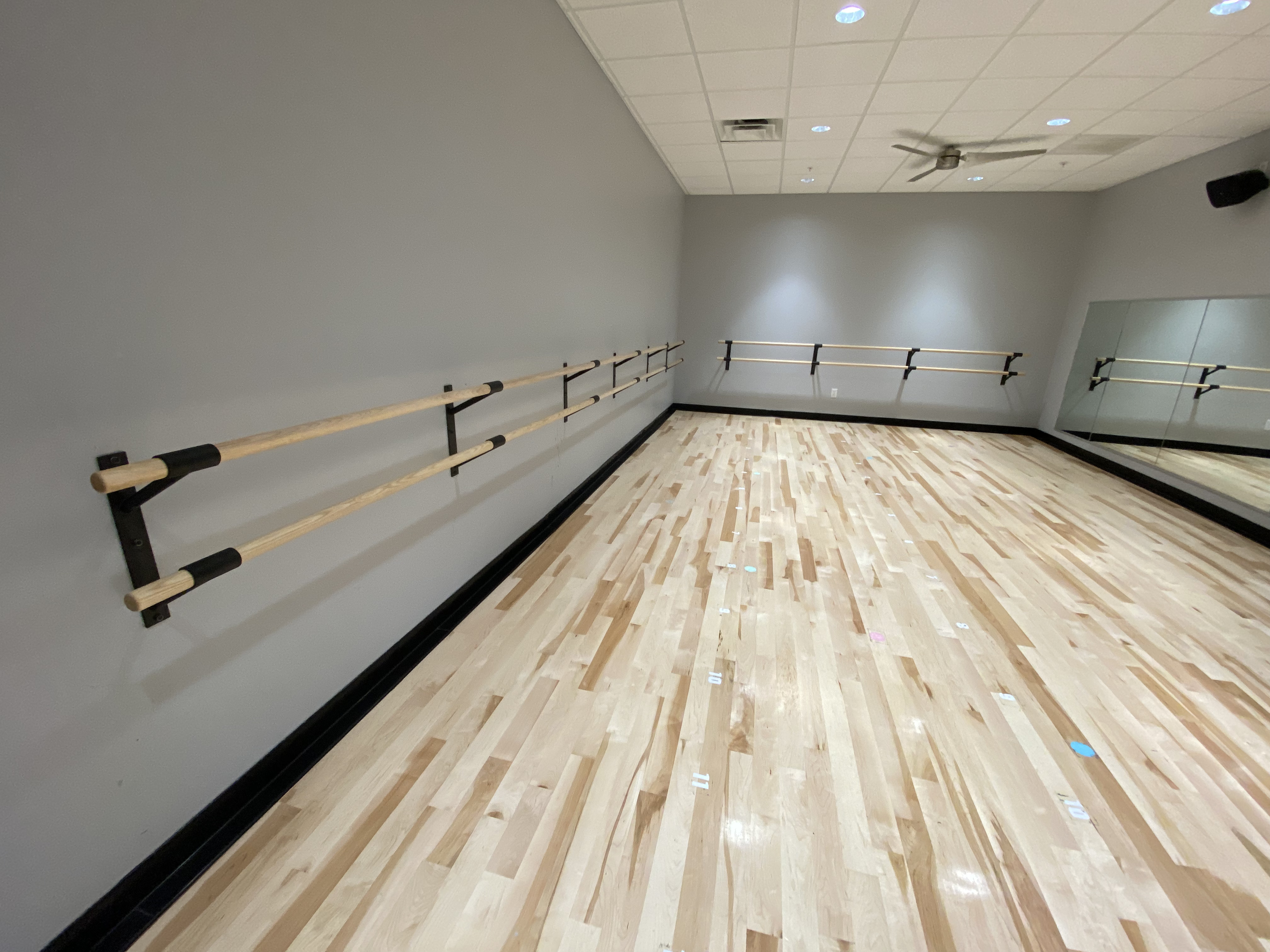
University dance programs occupy a demanding middle ground. The rooms must support serious daily training, visiting artists, rehearsals, auditions, community programs, and institutional procurement standards.
A barre system selected too casually can become a long-term limitation. In higher education, the wrong product does not fail for one semester; it stays in the building for years.
For most serious buyers, the question is not whether they need a ballet barre. The question is which type of ballet barre best fits the room: a wall mounted ballet barre, a floor mounted ballet barre, a portable ballet barre, or a more custom commercial layout. That is where Custom Barres becomes useful. The product can follow the architecture, the users, and the business model instead of forcing the project to compromise around a generic kit.
The Commercial Decision
University buyers should specify around performance, durability, flexibility, and the needs of faculty who will use the rooms every day.
- Training standard: Professional-quality wall mounted ballet barres help a university studio feel credible to students and faculty.
- Heavy use: Dance departments often run classes and rehearsals throughout the day, so durability matters.
- Multiple users: Rooms may serve ballet, modern, musical theater, physical conditioning, and community programs.
- Capital planning: A clear specification helps facilities, purchasing, and department leadership align.
What a Serious Buyer Should Confirm Before Pricing
At the stage where a buyer is searching for university dance program barres, the conversation should move beyond generic equipment. This is usually the point where terms like wall mounted ballet barre, portable ballet barre, commercial ballet barre, and Custom Barres become useful because they keep the discussion tied to the real room, real users, and real installation conditions.
What to Specify Before Anyone Prices the Project
A strong ballet barre specification is not just a product name. It should translate the room, users, installation conditions, and finish direction into details a contractor or procurement team can act on.
- Room list: Identify technique studios, rehearsal rooms, black box spaces, and multi-purpose rooms separately.
- Class capacity: Connect linear footage to expected enrollment and rehearsal use.
- Mount type: Choose wall mounted, floor mounted, or portable systems based on mirrors, walls, and performance flexibility.
- Finish durability: Select hardwood and bracket finishes that can survive years of institutional traffic.
Why This Matters for Revenue, Operations, and Owner Confidence
For commercial buyers, the real payoff is clarity. A better specification shortens quote cycles, reduces change orders, protects the finish and installation sequence, and gives owners more confidence that the room will perform well after opening day — not just at the moment of purchase.
Where Projects Usually Lose Quality
Most problems show up when the barre package is treated as a late accessory instead of a permanent architectural element. These are the details to protect early.
- Treating all rooms alike: A technique studio may need a different system than a flexible rehearsal space.
- Skipping faculty review: Faculty understand the teaching flow and should approve layout assumptions.
- Late procurement: University purchasing cycles can magnify delays if the spec is incomplete.
- Underestimating longevity: The product should be chosen for long service life, not the lowest first cost.
How Custom Barres Fits This Use Case
Custom Barres is strongest when the room needs more than an off-the-shelf barre system. We build custom ballet barres for the actual length, mount type, wood species, bracket style, and finish direction of the project. That means the specification can support the way the room will really be used rather than settling for whatever standard size happens to be available.
- Institutional custom packages: Custom Barres can support multi-room orders with consistent finish standards.
- Professional feel: Solid hardwood barres give the tactile quality expected in serious dance training.
- Flexible configurations: Wall mounted, floor mounted, double, and portable systems can be matched by room.
- Specification help: The Architect Portal supports design teams and campus facilities during planning.
Recommended Next Steps
The strongest next step is to keep the product conversation attached to the room itself: who uses it, how often, what the teaching wall needs to do, and what level of finish the client expects. That is how better projects protect both quality and margin.
- Build a room-by-room barre schedule before requesting pricing.
- Include faculty, facilities, and purchasing in the specification conversation.
- Standardize finishes where possible while letting each room choose the right mount type.
- Use the Architect Portal to support internal approvals.
For larger rooms, multi-room facilities, or projects with architects and contractors involved, start with the Custom Barres Architect Portal. For pricing direction, use the quote tool so the specification and budget move together.