Portable Barres for Events, Pop-Ups, and Temporary Studios: When They Make Sense
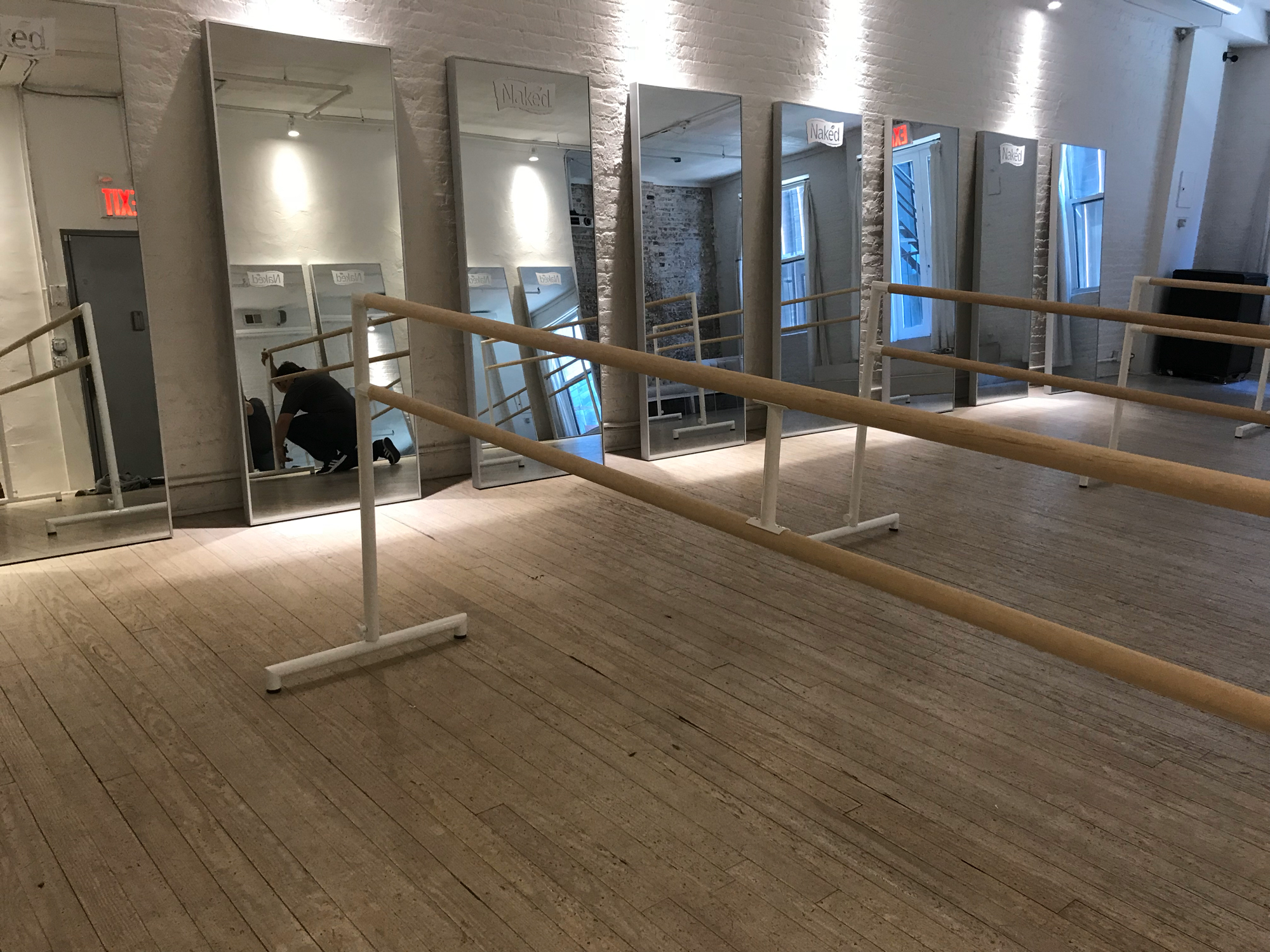
Portable barres are not a consolation prize. In the right setting, they are exactly the right product because the room itself is temporary, shared, leased, or constantly changing.
The key is knowing when portability supports the business model and when a permanent wall mounted or floor mounted system would be safer, cleaner, or more professional.
For most serious buyers, the question is not whether they need a ballet barre. The question is which type of ballet barre best fits the room: a wall mounted ballet barre, a floor mounted ballet barre, a portable ballet barre, or a more custom commercial layout. That is where Custom Barres becomes useful. The product can follow the architecture, the users, and the business model instead of forcing the project to compromise around a generic kit.
The Commercial Decision
Portable ballet barres make sense when flexibility is the primary requirement.
- Events: Pop-ups, workshops, intensives, and wellness activations often need fast setup without construction.
- Temporary studios: Short-term leases or renovation phases may not justify permanent installation.
- Shared rooms: Community centers, schools, and multipurpose spaces may need equipment that can be removed after class.
- Touring instructors: Teachers who move between locations need reliable equipment that travels.
What a Serious Buyer Should Confirm Before Pricing
At the stage where a buyer is searching for portable barres for events, the conversation should move beyond generic equipment. This is usually the point where terms like wall mounted ballet barre, portable ballet barre, commercial ballet barre, and Custom Barres become useful because they keep the discussion tied to the real room, real users, and real installation conditions.
What to Specify Before Anyone Prices the Project
A strong ballet barre specification is not just a product name. It should translate the room, users, installation conditions, and finish direction into details a contractor or procurement team can act on.
- Transport: Confirm who will move the barre, how often, and where it will be stored.
- Stability expectations: Match the portable system to the movement intensity and class type.
- Length and capacity: Calculate how many users each portable unit can realistically support.
- Floor protection: Consider how bases interact with the flooring surface.
Why This Matters for Revenue, Operations, and Owner Confidence
For commercial buyers, the real payoff is clarity. A better specification shortens quote cycles, reduces change orders, protects the finish and installation sequence, and gives owners more confidence that the room will perform well after opening day — not just at the moment of purchase.
Where Projects Usually Lose Quality
Most problems show up when the barre package is treated as a late accessory instead of a permanent architectural element. These are the details to protect early.
- Using portable forever: A permanent studio usually benefits from a permanent barre system.
- Overcrowding: Portable units have practical capacity limits that should not be ignored.
- Poor storage: Equipment that is not stored safely gets damaged and clutters the room.
- Wrong expectation: Portable systems trade some permanence for flexibility by design.
How Custom Barres Fits This Use Case
Custom Barres is strongest when the room needs more than an off-the-shelf barre system. We build custom ballet barres for the actual length, mount type, wood species, bracket style, and finish direction of the project. That means the specification can support the way the room will really be used rather than settling for whatever standard size happens to be available.
- True flexibility: Custom Barres portable systems support spaces where installation is not available or not desirable.
- Premium materials: Portable does not have to mean cheap-looking or disposable.
- Event readiness: Custom lengths and finishes can support branded activations and temporary professional setups.
- Future path: Teams can begin with portable systems and later move to wall mounted or floor mounted solutions.
Recommended Next Steps
The strongest next step is to keep the product conversation attached to the room itself: who uses it, how often, what the teaching wall needs to do, and what level of finish the client expects. That is how better projects protect both quality and margin.
- Choose portable systems when room flexibility is the real requirement.
- Calculate users per unit rather than assuming one portable barre can serve a full class.
- Plan storage and transport before the first event.
- Revisit permanent systems if the temporary use becomes long-term.
For larger rooms, multi-room facilities, or projects with architects and contractors involved, start with the Custom Barres Architect Portal. For pricing direction, use the quote tool so the specification and budget move together.