Industry Watch: Wellness Amenities Need Real Equipment, Not Decor
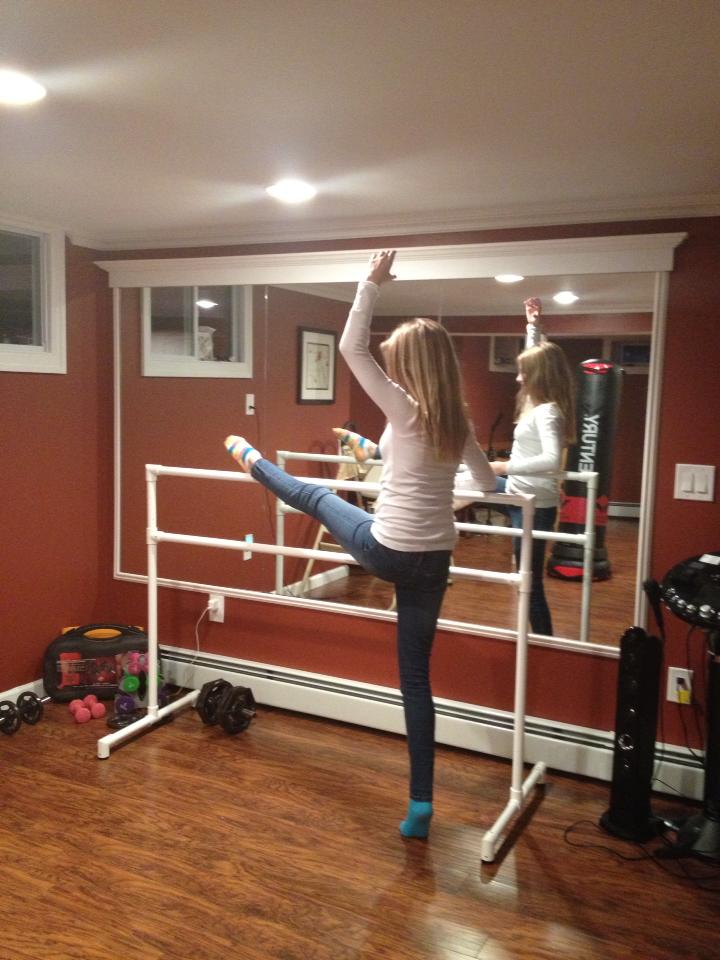
Wellness amenities are no longer judged only by how calm they look. Guests and residents expect spaces that support real movement, private training, stretching, barre, mobility, and recovery work.
That changes the equipment standard. A beautiful room with lightweight or decorative fixtures can feel disappointing the moment someone actually uses it.
What makes this trend commercially useful is that it changes how buyers define the room. Once a dance, fitness, rehab, or hospitality space is expected to feel more premium, more flexible, or more performance-oriented, the barre specification can no longer be treated as an afterthought. It becomes part of the experience, the business model, and the visual standard.
Why This Matters Now
Premium properties are competing on wellness experience. The best spaces combine interior design with equipment that feels stable, tactile, and intentional.
- Functional luxury: The equipment must support real body weight, movement, and repeated use.
- Material quality: High-touch surfaces like wood barres matter because users experience them directly.
- Design integration: Equipment finishes should coordinate with the room instead of looking like a gym catalog insert.
- Operational durability: Amenity spaces need products that still look premium after daily guest or resident use.
What Buyers Should Watch
Industry shifts only matter when they change the room a buyer is actually trying to build. For barre projects, the useful question is simple: what should be decided earlier so the final space feels more professional and performs better under daily use?
- Fewer better pieces: Premium rooms often feel stronger with a smaller number of high-quality fixtures.
- Hybrid programming: Spaces may support barre fitness, mobility, yoga, stretching, rehab, and private sessions.
- Designer-led selection: Interior teams increasingly want equipment that fits the palette and proportions of the room.
- Facilities maintenance: Housekeeping and operations teams need surfaces they can care for consistently.
Product Implications
This is where industry chatter becomes a specification. The right ballet barre system should support the business model, not merely fill a wall. Teams often reach this stage after searching phrases like wellness amenity fitness equipment trends, wall mounted ballet barre, portable ballet barre, or commercial ballet barre. The earlier those searches turn into a real scope, the easier it is to keep the room coherent and more profitable.
- Hardwood barres: Solid wood creates a warmer and more premium user touchpoint than generic metal equipment.
- Custom finish: Wood and bracket finish can be selected around the property design.
- Mount strategy: Window walls, mirrors, and millwork may require floor mounted or custom wall mounted solutions.
- Built-in feel: The barre should read as part of the room, not a movable afterthought.
Custom Barres Takeaway
The next wave of premium wellness spaces will reward equipment that is both beautiful and genuinely usable. A custom ballet barre is a small detail that can change how serious the entire room feels.
Teams planning commercial dance studios, boutique fitness rooms, rehab gyms, school dance rooms, and premium wellness spaces can use the Architect Portal and quote tool to turn the trend into a practical scope. The goal is not to chase trends. It is to use them earlier than competitors so the room opens with clearer specification, better aesthetics, and a stronger Custom Barres fit.