Double vs Single Barres for Commercial Studios: Which Delivers Better ROI?
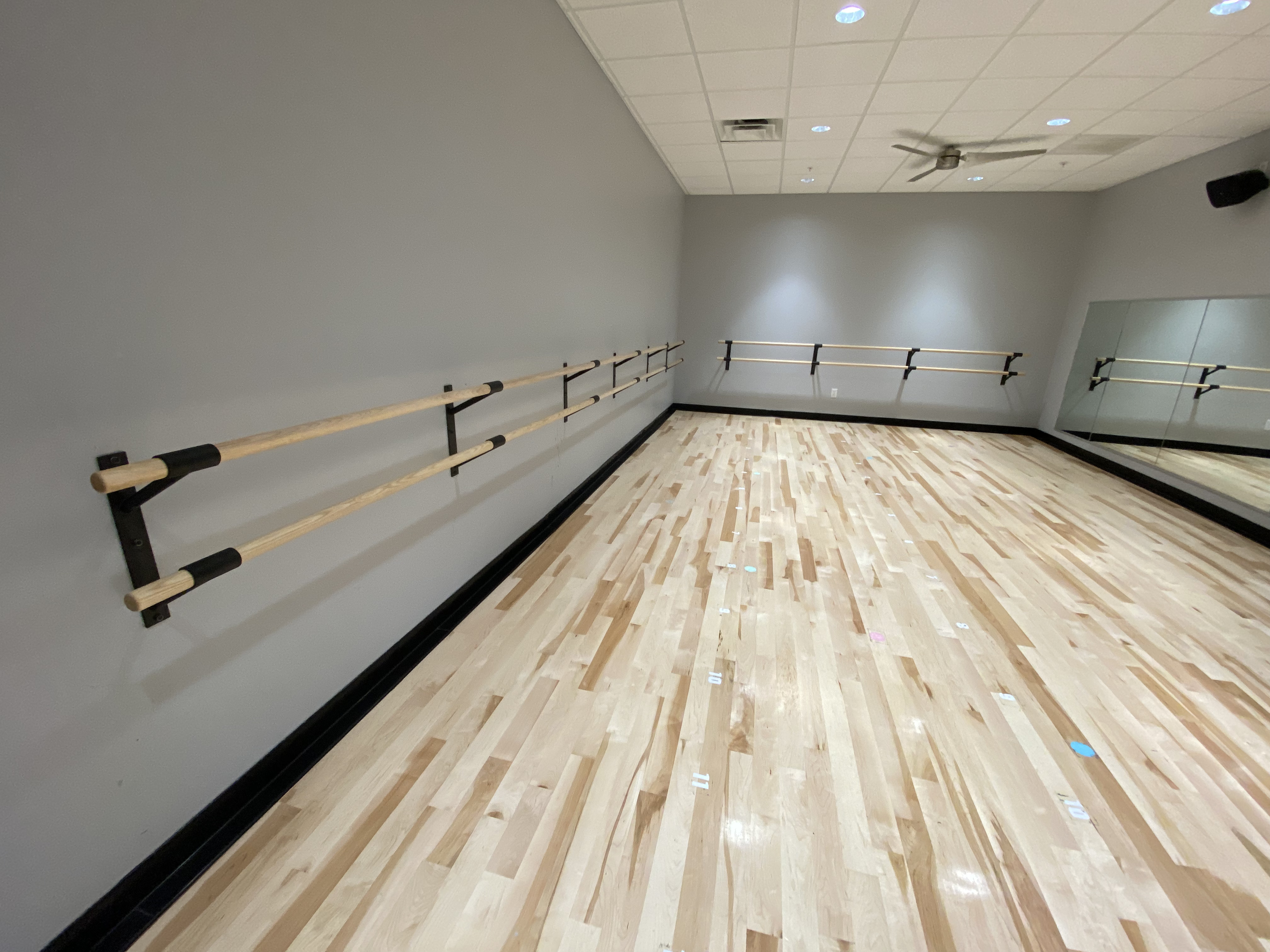
Single barres and double barres are not just aesthetic choices. They shape who can use the room comfortably, how many programs the room can support, and how well the space adapts as the business grows.
The ROI question is not which option costs less on the first invoice. It is which option prevents schedule limitations, awkward height compromises, and future replacement work.
For most serious buyers, the question is not whether they need a ballet barre. The question is which type of ballet barre best fits the room: a wall mounted ballet barre, a floor mounted ballet barre, a portable ballet barre, or a more custom commercial layout. That is where Custom Barres becomes useful. The product can follow the architecture, the users, and the business model instead of forcing the project to compromise around a generic kit.
The Commercial Decision
A single barre is often right for focused adult rooms. A double barre earns its keep when the room serves multiple users or program types.
- Single barre advantage: A single wall mounted ballet barre gives a clean, minimal look and works well for adult technique or dedicated fitness rooms.
- Double barre advantage: A double system serves children, adults, rehab users, and mixed-height classes without changing the room.
- Schedule flexibility: Double barres can let one room support more revenue categories across the week.
- Visual impact: A well-built double system can still look refined when the bracket and wood finish are chosen intentionally.
What a Serious Buyer Should Confirm Before Pricing
At the stage where a buyer is searching for double vs single ballet barres commercial studio, the conversation should move beyond generic equipment. This is usually the point where terms like wall mounted ballet barre, portable ballet barre, commercial ballet barre, and Custom Barres become useful because they keep the discussion tied to the real room, real users, and real installation conditions.
What to Specify Before Anyone Prices the Project
A strong ballet barre specification is not just a product name. It should translate the room, users, installation conditions, and finish direction into details a contractor or procurement team can act on.
- User heights: List the shortest and tallest regular users before choosing barre heights.
- Program mix: Identify children, adults, fitness, rehab, private lessons, and community use.
- Wall capacity: Confirm backing and bracket requirements for single or double configurations.
- Finish consistency: Keep both barres and brackets aligned with the room's design language.
Why This Matters for Revenue, Operations, and Owner Confidence
Comparison posts matter because the wrong configuration often creates invisible costs: harder cleaning, worse traffic flow, weaker visual impact, more revisions, or a room that never feels fully resolved. The best option is the one that reduces friction over years of daily use, not the one that simply wins on paper.
Where Projects Usually Lose Quality
Most problems show up when the barre package is treated as a late accessory instead of a permanent architectural element. These are the details to protect early.
- Defaulting to single: A single barre can be limiting in rooms that serve both children and adults.
- Overcomplicating adult-only rooms: A double system may be unnecessary where the schedule is narrow and height needs are consistent.
- Poor barre spacing: Two barres should not interfere with grip or movement at either height.
- No future thinking: Studios often add youth, adult, or rehab programming later, so flexibility has value.
How Custom Barres Fits This Use Case
Custom Barres is strongest when the room needs more than an off-the-shelf barre system. We build custom ballet barres for the actual length, mount type, wood species, bracket style, and finish direction of the project. That means the specification can support the way the room will really be used rather than settling for whatever standard size happens to be available.
- Double wall systems: Custom Barres double wall mounted systems support polished mixed-use rooms.
- Custom heights: Barre heights can be specified around the actual users, not a generic standard.
- Commercial appearance: Hardwood barres and coordinated brackets keep double systems from feeling institutional.
- Room-by-room planning: A facility can mix single and double systems where each makes the most sense.
Recommended Next Steps
The strongest next step is to keep the product conversation attached to the room itself: who uses it, how often, what the teaching wall needs to do, and what level of finish the client expects. That is how better projects protect both quality and margin.
- Map the weekly schedule before choosing single or double barres.
- Use double barres in rooms that need mixed-age or mixed-program flexibility.
- Use single barres where the room has a focused adult use case.
- Confirm bracket spacing, wall backing, and barre heights before ordering.
For larger rooms, multi-room facilities, or projects with architects and contractors involved, start with the Custom Barres Architect Portal. For pricing direction, use the quote tool so the specification and budget move together.