Setting Up a Consistent Home Ballet Practice: 7 Tips That Actually Work
1. Make the Space Ready Before You Need Willpower
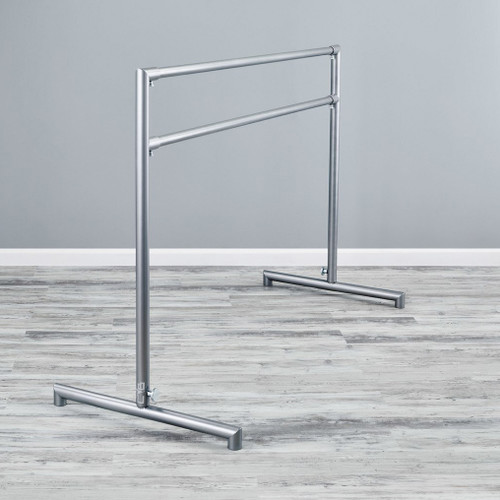
The biggest barrier to home practice isn't ability — it's activation energy. If you have to move furniture, dig out your Marley mat, and plug in your Bluetooth speaker before every session, you'll skip on the days you're tired. Set up your space so that the only thing between you and class is changing into your dance clothes. Permanent barre installation is the most powerful commitment device here.
2. Choose a Time and Protect It
Home practice is most sustainable as a morning routine — before email, decisions, and life accumulate and provide reasons to skip. Schedule it in your calendar like an appointment. A 30-minute morning session done 4 days per week is worth more than an aspirational 90-minute session you do once.
3. Use Music Intentionally
For barre work, classical piano accompaniment (search "ballet barre class piano accompaniment" on Spotify or YouTube) gives you natural phrasing for counts and creates the right mental state. Have a playlist ready before you start — decision fatigue mid-warmup kills momentum.
4. Keep a Practice Log
Even just a note in a phone app: "Thursday — 25 min barre, worked on tendus and rond de jambe, balance improved on the left side." This creates accountability and gives you something to look back on. After 30 days, you can see exactly how consistent you've been — and exactly where you've improved.
5. Record Yourself (It's Uncomfortable and Worth It)
Set your phone on a tripod or prop it against the wall. Record yourself doing a combination, then watch it back. You will see things you don't feel — a dropped shoulder, a knee that rolls in, a hip that tilts in grand battement. Even professional dancers in companies use video as a feedback tool.
6. Follow a Curriculum, Not Just YouTube
Random YouTube barre videos are great for inspiration but rarely build systematically. After 6 months of random classes, many self-taught dancers have solid pliés and almost no rond de jambe or fondu work because those videos were less fun. Find a structured curriculum and follow it progressively.
7. Give Yourself a Day Off Per Week
Rest is when adaptation happens. Six days of barre per week with one rest day is sustainable and effective. Seven days per week without rest leads to overuse issues in ankles, knees, and hip flexors — and burnout. Schedule the rest day deliberately.
The Setup That Makes All of This Easier
A dedicated space with a wall-mounted barre, a clear floor area, and a mirror is the physical infrastructure that makes all seven habits easier to sustain. You don't need a 1,000 sq ft studio — you need 6 feet of wall, 3 feet of clear floor in front of it, and 30 minutes of protected time. Start here.