How to Find Wall Studs for Your Ballet Barre Installation
Why Studs Matter More Than You Think
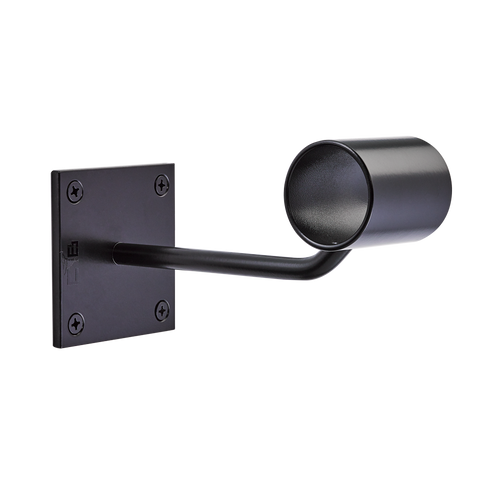
A ballet barre isn't a towel bar. During barre exercises, a dancer may lean 30–50% of their body weight onto the rail — especially during cambrés, stretches, and balance work. Mounting into drywall alone with no stud backing will fail. The bracket will pull out of the wall, and someone will get hurt. Every bracket must be anchored into a wall stud (or a structural backing board anchored to studs). No exceptions.
Step 1: The Knock Test
Start by knocking on the wall horizontally. Empty drywall sounds hollow; hitting a stud gives a slightly denser, less resonant thud. This narrows the search zone but is rarely precise enough to drill from alone.
Step 2: Stud Finder
A quality electronic stud finder (Franklin Sensors ProSensor 710, DeWalt DWHT25033, or similar) is accurate to within 1/4 inch. Calibrate it against a clear section of wall first, then slowly sweep horizontally at bracket height. Mark both edges of the stud to find center — always drive screws into center, not the edge, where splitting is more likely.
Step 3: The Magnet Method
Wall studs are secured to the base and top plates with drywall screws. A strong rare-earth magnet dragged along the wall will catch on those screws. This works on any finished wall regardless of what's behind it — great for older homes with plaster over lath where electronic finders struggle.
Step 4: Confirm with a Pilot Hole
Before drilling your full mounting hole, use a 1/16" bit to drill a small test hole at your stud center mark. Feel for resistance (stud) vs. easy travel (air). If you miss, the hole is small enough to fill with a dab of spackle and try again 3/4" to either side.
Standard Stud Spacing
In North American residential construction, studs are typically spaced 16 inches on center. Some older homes and some modern commercial builds use 24-inch spacing. Once you find one stud, mark it, and measure 16" in both directions — you should find the next ones there.
When Studs Aren't Where You Need Them
- Horizontal backing board: Mount a 2×6 or 2×8 board horizontally across the wall, anchored into the studs. Then mount your brackets anywhere along that board.
- Adjust bracket spacing: Move brackets to the nearest stud location. Brackets don't need to be evenly spaced — they just all need to be in studs.
Concrete and Masonry Walls
For concrete, brick, or block walls, use masonry anchors. Tapcon screws or sleeve anchors work well. Drill with a hammer drill and masonry bit. If you're unsure about your wall type or anchor selection, reach out to our team — we include hardware recommendations with every order.