Ash vs Oak vs Maple: Choosing the Right Wood for Your Ballet Barre
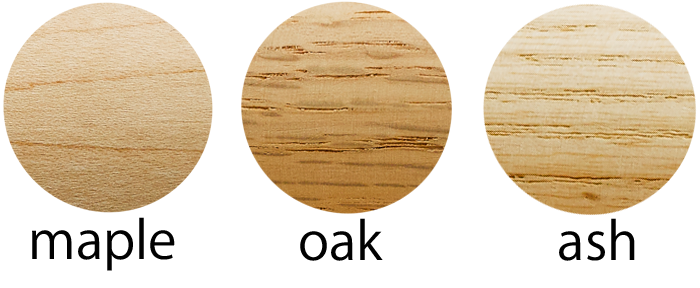
The wood you choose for your ballet barre affects how it looks, how it feels under your hand, and how it holds up over years of daily use. All three woods Custom Barres offers are solid American hardwoods — here's how they differ.
Ash: The Classic Choice
Ash is the wood used in more professional ballet studios than any other. It has a straight, open grain with a beautiful pale blond color and light, consistent figure. It's slightly flexible — which some dancers describe as a "lively" feel — while still being impressively strong.
- Color: Light blond to pale white
- Grain: Straight, open, very consistent
- Hardness: Hard (Janka: 1320 lbf)
- Best for: Classical studios, anyone who wants the authentic professional look
Oak: The Statement Piece
Oak is dense, heavy, and has a pronounced, dramatic grain pattern. It's the choice when you want your barre to be a visual focal point — rich, warm, and unmistakably handcrafted.
- Color: Warm honey-brown with visible ray flecks
- Grain: Bold, open, highly figured
- Hardness: Very hard (Janka: 1290 lbf)
- Best for: Home studios where aesthetics matter, premium studio builds
Maple: The Refined Standard
Hard maple is the wood of professional gymnasium equipment, butcher blocks, and bowling lanes — chosen for one reason: it takes an absolute beating and shows almost nothing for it. Fine, tight grain and a smooth surface that accepts finish beautifully.
- Color: Creamy white with subtle grain
- Grain: Fine, tight, very smooth
- Hardness: Hardest of the three (Janka: 1450 lbf)
- Best for: High-traffic studios, physical therapy settings, those who want the smoothest feel
Which Should You Choose?
All three are excellent — this is genuinely a matter of personal preference. If you want the classic studio look, choose ash. If you want drama and warmth, choose oak. If you want maximum durability and the smoothest surface, choose maple. All ship with your choice of finish and hold up equally well over decades of use.